

The Essence of Luck in Gambling
Luck plays a fundamental role in the world of gambling. Many players enter casinos with the belief that luck is a tangible force that can swing fortunes in their favor. This notion is often reinforced by anecdotes of individuals hitting jackpots or experiencing winning streaks seemingly out of nowhere. In reality, luck can be understood as a blend of random chance and the unpredictability of outcomes. While some players may not recognize it, those who engage with a neosurf deposit casino often find that the randomness inherent in casino games is what fuels the excitement and anticipation of each roll of the dice or spin of the wheel.
Despite the element of chance, it is also essential to understand that luck is not only about the favorable outcomes that players desire. It encompasses both winning and losing scenarios. For every jackpot winner, there are countless others who walk away empty-handed. Therefore, while luck can certainly enhance the gambling experience, it can just as easily lead to disappointment. This duality is what makes gambling thrilling, as the outcome is never guaranteed, and players must accept that luck can both bless and curse their attempts.
Ultimately, it is this unpredictability of luck that contributes to the allure of casinos. Many players romanticize the idea of luck, viewing it as a force that can be attracted, as if it were a magnet. They engage in rituals, such as wearing lucky clothing or avoiding certain actions they believe may bring bad luck. While these practices may enhance the emotional experience of gambling, they do not influence the actual odds of winning, reminding us that luck remains a mysterious and uncontrollable factor.
The Role of Skill and Strategy
While luck is an undeniable factor in gambling, skill and strategy also play significant roles in shaping a player’s experience. Certain games, such as poker and blackjack, require not only a bit of luck but also a strategic approach that can enhance a player’s chances of winning. Skilled players know how to read their opponents, calculate probabilities, and make decisions that minimize risk, helping them leverage their luck more effectively. For these games, the balance between luck and skill becomes even more pronounced.
In games of pure chance, like slot machines or roulette, the role of skill is minimal. Here, luck reigns supreme, as outcomes are dictated by random number generators and chance mechanisms. However, even in these games, possessing a strategic mindset can be beneficial. Players may employ tactics like bankroll management or setting limits on their playtime to make their gambling experience more enjoyable. Understanding the rules and nuances of different games can also aid players in making informed choices that maximize their time at the casino.


Ultimately, the interplay between luck and skill in gambling creates a dynamic that keeps players engaged. While players may sometimes attribute their successes or failures solely to luck, experienced gamblers understand that developing their skills can significantly impact their overall experience. This understanding fosters a deeper appreciation for the game, grounding the experience beyond mere chance and welcoming the complexity that skill introduces into the equation.
The Psychological Impact of Luck
The psychological effects of luck on players cannot be understated. Luck influences not only the outcomes of games but also the mentality and emotions of players as they navigate their gambling experience. For many, the thrill of winning can lead to an adrenaline rush, creating a euphoric feeling that keeps them coming back for more. Conversely, the agony of a losing streak can lead to frustration and disappointment, impacting one’s mental state and approach to future gaming.
The belief in luck can often serve as a coping mechanism for players. When faced with a series of losses, many players will cling to the hope that their luck will turn around. This belief can motivate them to continue playing in search of a better outcome, sometimes leading to risky behavior or poor decision-making. Casinos often capitalize on this mindset, employing flashy lights, exciting sounds, and enticing promotions to create an environment that enhances the illusion of luck and chance.
Furthermore, the concept of luck can deeply intertwine with personal identity, affecting how players view their experiences. Those who experience wins may attribute their success to being “lucky,” which enhances their self-esteem and satisfaction. On the other hand, consistent losses may lead to a crisis of confidence, where players question their judgment and abilities. Understanding the psychological impact of luck can empower players to approach gambling with a more balanced perspective, focusing on the enjoyment of the experience rather than solely on winning or losing.
The Interaction of Luck and Casino Design
Certainly, the physical environment of a casino plays a vital role in shaping perceptions of luck among players. Casino designers carefully curate spaces to create a sense of excitement and possibility. The use of colors, sounds, and layouts is strategically implemented to stimulate emotions associated with luck and fortune. For instance, bright lights and loud jubilant sounds often accompany winning moments, reinforcing the idea that luck is prevalent in the space.

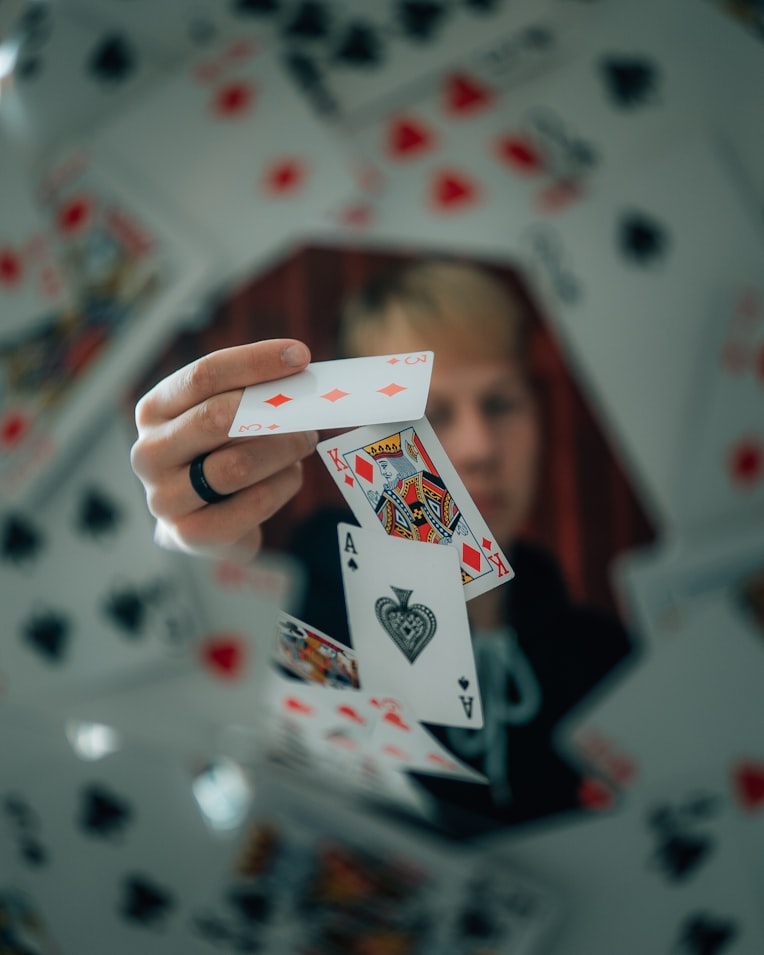
Many casinos employ techniques to keep players engaged and feeling lucky. For example, the placement of slot machines and gaming tables is often engineered to create a sense of proximity to potential wins. Players might notice that those who win frequently are often positioned near popular machines, contributing to the perception that luck is contagious. This design fosters a social atmosphere where individuals exchange stories of their luck, creating a community of hopeful gamblers.
The interaction of luck and casino design extends to promotional tactics as well, such as lucky draws or bonus games that hinge on random chance. These promotions are geared toward enhancing the overall experience, invoking a sense of optimism in players and encouraging them to return. Ultimately, the environment can amplify the perception of luck, further entrenching it in the player’s experience and persuading them that fortune is always just a spin away.
Finding Balance in the Casino World
Navigating the casino landscape requires a delicate balance between embracing the allure of luck and recognizing its limits. Players must approach their gambling experiences with a clear understanding that while luck can create exhilarating moments, it shouldn’t be the sole factor determining their enjoyment or financial decisions. Setting limits on spending, being mindful of time spent gambling, and knowing when to walk away are crucial aspects of responsible gaming.
Additionally, players should engage in research and education regarding the games they choose to play. Knowing the odds, understanding game mechanics, and developing strategies can help enhance their experience. Even if luck plays a role in the outcome, being informed allows players to make choices that maximize their enjoyment and minimize the risk of losses. This empowerment can significantly alter how luck influences their experience.
Ultimately, striking a balance involves cultivating a healthy perspective on luck as merely one component of a broader gambling experience. By appreciating the unpredictability of luck while also harnessing the skills and knowledge necessary for informed decision-making, players can approach the casino with a sense of excitement tempered with realism. This mindset enables them to enjoy the thrill of gambling without becoming overly reliant on the whims of fortune.